
Updated December 9, 2025
Kimchi benefits have been celebrated in Korea for over 2,000 years, but this spicy, tangy fermented vegetable dish is now taking the Western wellness world by storm. Walk into any health food store and you’ll find rows of kimchi jars promising gut health, glowing skin, and weight loss support. But are these kimchi benefits real, or just another health food trend that’ll fade away?
After diving into the latest research and talking to people who’ve made kimchi a daily habit, I’m here to share the truth about kimchi benefits. Spoiler alert: this Korean staple delivers some seriously impressive health perks backed by solid science.
Whether you’re curious about kimchi benefits for skin, wondering if it can help trim your waistline, or simply want to understand why fermented foods are having a moment, you’re in the right place. Let’s explore what makes kimchi one of the most powerful foods you can add to your plate.
What Is Kimchi?
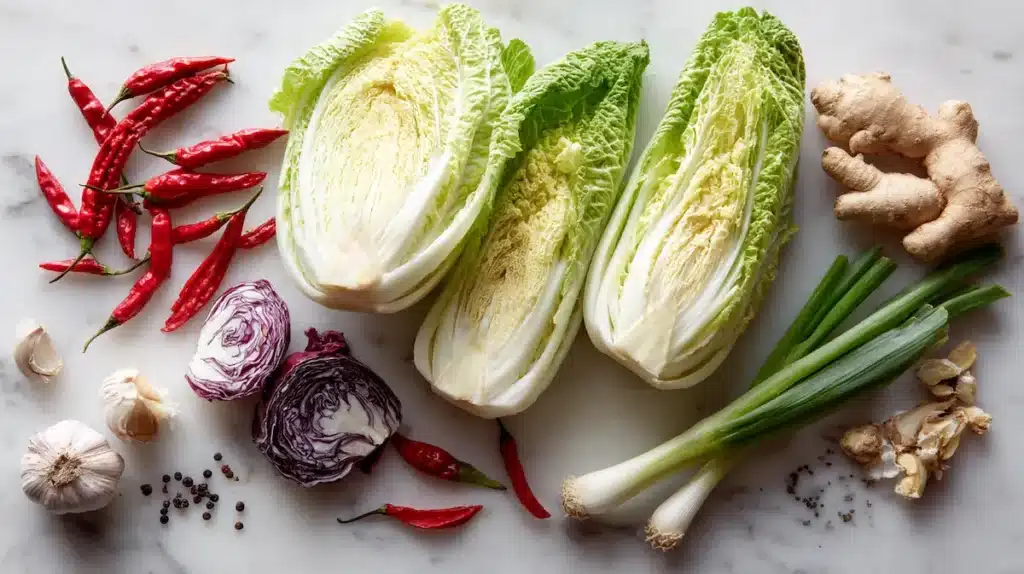
Before we dive into kimchi benefits, let’s talk about what this superfood actually is. Kimchi is a traditional Korean side dish made primarily from napa cabbage, radish, scallions, and a paste made with chili pepper, garlic, ginger, and fish sauce or salt.
The magic happens during fermentation. When vegetables are submerged in brine and left to ferment, naturally occurring bacteria (mainly Lactobacillus species) go to work. These beneficial microbes feed on the natural sugars in the vegetables, producing lactic acid and creating that distinctive tangy flavor.
This fermentation process is what transforms ordinary vegetables into a probiotic powerhouse. A single serving of kimchi contains billions of beneficial bacteria, along with vitamins, minerals, and bioactive compounds that aren’t present in the raw vegetables alone.
There are over 200 varieties of kimchi in Korea, each with regional variations. Some are mild and crunchy, others are fiery and funky. But regardless of the style, all traditionally fermented kimchi shares one thing in common: those powerful kimchi benefits that come from live, active cultures.
If you’re interested in other fermented foods for gut health, kimchi stands out as one of the most nutrient-dense options. The kimchi benefits extend beyond simple probiotics to include comprehensive nutritional support.
Print
Kimchi Benefits: 10 Science-Backed Reasons to Eat It Daily
This cozy gelatin weight loss tonic is a light, protein-rich drink made with warm herbal tea, unflavored gelatin, and a hint of honey, lemon, and turmeric. It’s designed to gently increase fullness, support metabolism, and help curb late-morning cravings without heavy calories.
- Total Time: 5 minutes
- Yield: 1 serving
Ingredients
1–2 tsp unflavored gelatin powder (grass‑fed or fish-based if possible)
1 cup hot herbal tea (chamomile, green, or ginger) or warm water
1 tsp raw honey or stevia, to taste (optional)
1 pinch ground turmeric (optional, for anti-inflammatory support)
1–2 tsp fresh lemon juice or 1 lemon slice, for serving
Instructions
1. Heat the herbal tea or water until hot but not boiling; it should be comfortable to sip.
2. Sprinkle the gelatin powder slowly over the surface, whisking or stirring until completely dissolved and the liquid turns silky.
3. Stir in honey or stevia, turmeric, and lemon juice to taste, adjusting sweetness and tang to your liking.
4. Let the drink cool for 1–2 minutes, then sip slowly 15–30 minutes before breakfast to promote fullness.
5. Repeat daily or several times per week as part of a balanced, calorie‑controlled diet and active lifestyle.
Notes
Start with 1 tsp gelatin if you are new to it, then increase to 2 tsp as tolerated to support satiety.
You can chill the prepared drink until lightly thickened and enjoy it as a soft, spoonable jelly instead of a warm tonic.
Swap herbal teas (green, ginger, peppermint, chamomile) to keep flavors interesting while still supporting digestion and metabolism.
Pair this tonic with high-fiber, protein-rich meals and regular movement for best weight loss results; no single drink works as a stand‑alone solution.
- Prep Time: 2 minutes
- Cook Time: 3 minutes
- Category: Weight Loss Drinks
- Method: Stir & Dissolve
- Cuisine: Wellness, Family Comfort
Nutrition
- Serving Size: 1 cup
- Calories: 35–45
- Sugar: 3–5g
- Sodium: 10–20mg
- Fat: 0g
- Saturated Fat: 0g
- Unsaturated Fat: 0g
- Trans Fat: 0g
- Carbohydrates: 4–6g
- Fiber: 0g
- Protein: 5–7g
- Cholesterol: 0mg
Keywords: gelatin diet recipe, gelatin trick, gelatin weight loss drink, healthy gelatin tonic, bariatric gelatin trick
10 Science-Backed Health Benefits of Kimchi
Now let’s get to the good stuff. Here are the ten most compelling kimchi benefits supported by scientific research. Understanding these kimchi benefits will help you maximize your health gains from this fermented superfood.
1. Builds a Diverse, Healthy Gut Microbiome
One of the most significant kimchi benefits is its impact on gut health. Your gut microbiome, that collection of trillions of bacteria living in your digestive system, plays a crucial role in everything from digestion to immunity to mental health.
Research from Cedars-Sinai shows that fermented foods like kimchi introduce beneficial bacteria that can crowd out harmful microbes. These probiotics create an acidic environment that makes your gut inhospitable to bad bacteria.
But here’s what makes kimchi benefits special: it’s not just about the live bacteria. The fermentation process creates thousands of beneficial metabolites and chemical byproducts that interact directly with your immune cells and gut barrier.
Regular kimchi consumption has been linked to increased microbial diversity, which is one of the most important markers of a healthy gut. The more diverse your gut bacteria, the better your overall health tends to be.

2. Supports Radiant, Clear Skin
Kimchi benefits for skin are getting serious attention in the beauty world, and for good reason. The connection between gut health and skin health is well-established in scientific literature.
When your gut microbiome is balanced, it reduces systemic inflammation throughout your body, including your skin. The probiotics in kimchi help strengthen your gut barrier, preventing inflammatory compounds from entering your bloodstream and triggering skin issues like acne, eczema, and premature aging.
Kimchi is also packed with antioxidants, particularly vitamin C and beta-carotene from the chili peppers and vegetables. These compounds fight free radical damage that leads to wrinkles and age spots. One serving of kimchi can provide up to 18% of your daily vitamin C needs.
Many people on Reddit report clearer skin after adding kimchi to their daily routine. While individual results vary, the science suggests that the anti-inflammatory effects of probiotics combined with kimchi’s antioxidant content create a powerful one-two punch for skin health.

3. May Help Burn Belly Fat
Does kimchi burn belly fat? While no food can spot-reduce fat (that’s a myth), kimchi does offer several mechanisms that support healthy weight loss and may help reduce visceral belly fat over time.
First, kimchi is extremely low in calories. A full cup contains only about 23 calories but provides substantial fiber and flavor, helping you feel satisfied without overeating.
Second, the probiotics in kimchi may influence how your body stores fat. Studies show that people with obesity tend to have less diverse gut bacteria, and improving gut health through probiotics may support weight management.
Third, capsaicin, the compound that gives chili peppers their heat, has been shown to boost metabolism slightly and may help your body burn more calories throughout the day.
Research on Lactobacillus strains found in kimchi suggests these bacteria may help reduce body fat percentage and waist circumference when combined with a balanced diet and regular exercise. Think of kimchi as a supportive player on your healthy weight loss team rather than a magic solution.
4. Boosts Immune Function
About 70% of your immune system lives in your gut, which means the kimchi benefits for immunity are substantial. By populating your gut with beneficial bacteria, kimchi helps train and support your immune system.
The probiotics in kimchi interact directly with immune cells in your gut lining, helping regulate immune responses. This means your body becomes better at fighting off pathogens while also being less likely to overreact to harmless substances (which causes allergies and autoimmune issues).
Kimchi also contains immune-supporting nutrients like vitamin C, zinc, and selenium. The garlic and ginger commonly used in kimchi recipes have their own antimicrobial and immune-boosting properties.
Harvard Health notes that a diverse, healthy microbiome is one of the most important factors in maintaining strong immunity throughout life.
5. Reduces Chronic Inflammation
Chronic inflammation is at the root of most modern diseases, from heart disease to diabetes to arthritis. One of the most valuable kimchi benefits is its powerful anti-inflammatory effects.
In one study, people who ate fermented foods daily for 10 weeks showed lower levels of 19 inflammatory proteins, including interleukin-6, a marker linked to diabetes, arthritis, and chronic stress.
The combination of probiotics, antioxidants, and bioactive compounds in kimchi works synergistically to calm inflammatory responses throughout your body. This is why many people with inflammatory conditions like irritable bowel syndrome report feeling better after regularly consuming fermented foods.
6. Promotes Heart Health
Kimchi benefits cardiovascular health through fiber that helps lower cholesterol and garlic that reduces blood pressure. Certain Lactobacillus strains may help break down cholesterol in your intestines, preventing absorption. The anti-inflammatory effects protect blood vessel walls and reduce plaque buildup.
7. Improves Digestive Function
Beyond gut bacteria balance, kimchi aids your entire digestive system. Fermentation partially breaks down complex carbohydrates, making them easier to digest. The fiber promotes regular bowel movements, while probiotics produce digestive enzymes that improve nutrient absorption from all foods you eat.
8. Delivers Dense Nutrition
The benefits of eating kimchi daily include getting impressive nutrition in a low-calorie package. One serving provides over 50% of your vitamin K needs, 18% of vitamin C, plus B vitamins, iron, and folate. Fermented vegetables also provide vitamin B12, which is rare in plant foods and valuable for plant-based diets.

9. Supports Blood Sugar Control
Probiotics may help improve insulin sensitivity and blood sugar balance. The fiber slows carbohydrate absorption, preventing blood sugar spikes after meals. Studies on fermented cabbage show it may help reduce fasting blood sugar levels in people with prediabetes.
10. Contains Cancer-Fighting Compounds
Kimchi contains glucosinolates from cruciferous vegetables that break down into compounds showing anti-cancer properties in laboratory studies. Probiotics produce short-chain fatty acids that may protect against colon cancer. Population studies in Korea show regular kimchi consumers have lower rates of certain cancers.
Kimchi Benefits for Women and Men
Benefits for Women: Kimchi benefits pregnancy through high folate content crucial for preventing neural tube defects. Probiotics may help prevent gestational diabetes. However, pregnant women should choose pasteurized kimchi to avoid risks from unpasteurized fermented foods. The vitamin K supports bone health and may help prevent osteoporosis after menopause. A healthy gut microbiome helps metabolize hormones like estrogen, potentially reducing PMS symptoms. The iron content, combined with vitamin C for enhanced absorption, helps prevent iron deficiency from menstrual blood loss.
Benefits for Men: The cruciferous vegetables in kimchi contain compounds that may support prostate health and reduce prostate cancer risk. A healthy gut microbiome influences testosterone production and hormone balance. Anti-inflammatory effects may speed workout recovery and reduce muscle soreness. Since men face higher heart disease rates at younger ages, kimchi’s cardiovascular benefits are particularly valuable for male health.
Benefits of Eating Kimchi Daily
To maximize kimchi benefits, consistency matters more than quantity.
Ideal Serving Size: Start with 1-2 tablespoons daily if new to fermented foods. Gradually work up to 1/4 to 1/2 cup daily.
Best Time to Eat Kimchi: With meals helps buffer spiciness and aids digestion. Before meals may prepare your digestive system for better nutrient absorption. Consistency over timing matters most, eat it when you’ll actually do it daily.
Storage: Keep refrigerated and eat cold or room temperature. Heating kills beneficial bacteria, eliminating probiotic benefits. Add to cooked dishes at the end or as a cold topping.

Kimchi Benefits and Side Effects: What to Watch For
While kimchi benefits are impressive, it’s important to be aware of potential downsides.
High Sodium Content: Traditional kimchi is quite salty, which can be problematic if you’re watching your sodium intake. One serving can contain 300-500mg of sodium. Look for low-sodium versions or make your own with less salt.
Digestive Adjustment Period: When you first start eating kimchi, you might experience gas, bloating, or changes in bowel movements. This is normal as your gut bacteria adjust. Start small and increase gradually.
Spiciness Issues: If you have acid reflux or a sensitive stomach, the spiciness might trigger discomfort. Try milder kimchi varieties or rinse off some of the chili paste before eating.
Histamine Sensitivity: Fermented foods are high in histamines, which can cause problems for people with histamine intolerance. Symptoms might include headaches, flushing, or digestive upset.
Thyroid Considerations: Cabbage and other cruciferous vegetables contain goitrogens, compounds that can interfere with thyroid function in large amounts. If you have hypothyroidism, eating moderate amounts of fermented cruciferous vegetables is generally fine, but discuss with your doctor if you’re concerned.
Pregnancy Precautions: Pregnant women should avoid unpasteurized kimchi due to potential bacteria that could cause foodborne illness. Pasteurized or thoroughly cooked kimchi is safe.
Medication Interactions: If you’re taking immunosuppressant drugs, check with your healthcare provider before consuming probiotic-rich foods regularly.
Kimchi vs Sauerkraut Benefits
Both kimchi and sauerkraut offer probiotic benefits, but with key differences. Kimchi is spicy and complex with garlic and umami notes, while sauerkraut is tangy and straightforward. Kimchi contains more vitamins A and C from chili peppers and offers more diverse nutrients from multiple ingredients. Sauerkraut is typically lower in sodium and easier on sensitive stomachs. Both provide beneficial bacteria, though kimchi has greater bacterial diversity. The verdict: both are excellent for gut health. Rotate both for maximum bacterial diversity and comprehensive benefits.
Simple Kimchi Recipe
Making kimchi at home lets you control ingredients and spice level.
Ingredients
- 1 medium napa cabbage (2 pounds)
- 1/4 cup sea salt + 4 cups water for brine
- 1 tablespoon grated ginger
- 4 cloves garlic, minced
- 2-3 tablespoons Korean red pepper flakes (adjust for spice)
- 3 tablespoons fish sauce or soy sauce
- 4 scallions, chopped
Instructions
- Cut cabbage into 2-inch pieces. Brine in salt water for 2-3 hours until soft.
- Rinse cabbage 3 times, drain, and squeeze out water.
- Mix ginger, garlic, red pepper flakes, and fish sauce into a paste.
- Wearing gloves, massage paste into cabbage and scallions.
- Pack tightly into a glass jar, leaving 2 inches space at top.
- Ferment at room temperature 1-5 days, pressing down daily.
- Refrigerate when it reaches desired tanginess. Lasts 3-6 months.

Frequently Asked Questions About Kimchi Benefits
Is it healthy to eat kimchi every day?
Yes, eating kimchi daily is healthy for most people and is how it’s traditionally consumed in Korea. The benefits of eating kimchi daily include consistent probiotic support for your gut, regular intake of vitamins and antioxidants, and steady anti-inflammatory effects. Start with small portions (1-2 tablespoons) and gradually increase to 1/4 to 1/2 cup daily. Watch your overall sodium intake if you’re eating kimchi every day, as it can be high in salt. If you have specific health conditions or take certain medications, consult your healthcare provider.
Does kimchi clean your gut?
Kimchi doesn’t “clean” your gut in the detox sense, but it does support a healthy gut environment. The probiotics in kimchi help balance your microbiome by crowding out harmful bacteria and supporting beneficial ones. The fiber acts as a prebiotic, feeding your good gut bacteria. The fermentation byproducts strengthen your intestinal barrier and reduce inflammation. Think of kimchi as nourishing and rebalancing your gut rather than “cleaning” it. A healthy gut microbiome naturally manages waste and maintains proper function without needing dramatic cleanses.
Does kimchi burn belly fat?
Kimchi supports weight loss but doesn’t specifically target belly fat, as spot reduction is impossible. However, kimchi can help reduce overall body fat, including visceral belly fat, through several mechanisms: it’s very low in calories (about 23 per cup), the probiotics may influence how your body stores fat, the capsaicin from chili peppers slightly boosts metabolism, and the fiber helps you feel full and satisfied. Research shows people who regularly consume fermented foods tend to have lower body fat percentages. For best results, combine kimchi with a balanced diet and regular physical activity.
Is kimchi good for skin?
Yes, kimchi benefits for skin are significant. The probiotics reduce systemic inflammation that contributes to acne, eczema, and premature aging. A healthier gut microbiome leads to clearer, more radiant skin. Kimchi’s high vitamin C content (up to 18% of daily needs per serving) supports collagen production and fights free radical damage. The antioxidants from chili peppers protect against UV damage and environmental stressors. Many people report clearer skin, reduced breakouts, and improved skin texture after adding kimchi to their daily diet. Results typically become noticeable after 4-8 weeks of consistent consumption.
What’s the best time to eat kimchi?
There’s no single “best” time to eat kimchi, but here are some effective approaches: eating it with meals helps buffer acidity and aids digestion of other foods, having it before meals may prepare your digestive system for better nutrient absorption, and consistency matters more than timing. Many Koreans eat kimchi at every meal. Choose a time that works for your schedule and stick with it. Avoid heating kimchi if you want the probiotic benefits, as heat kills beneficial bacteria. Add it cold or at room temperature to dishes, or use it as a condiment or side dish.
What is the healthiest fermented food?
There’s no single “healthiest” fermented food, as different options offer unique benefits. Kimchi ranks among the top choices because it provides exceptional bacterial diversity, high vitamin and antioxidant content, and anti-inflammatory compounds. Other top contenders include kefir (excellent for probiotics and easy to digest), sauerkraut (simple but effective for gut health), and miso (rich in beneficial enzymes). The healthiest approach is eating a variety of fermented foods to get different bacterial strains and nutrients. Rotating kimchi, kefir, yogurt, sauerkraut, and other fermented foods gives you the most comprehensive benefits for your microbiome.
Ready to Experience Kimchi Benefits for Yourself?
The science is clear: kimchi benefits extend far beyond gut health. From glowing skin to reduced inflammation, from weight management support to immune system strength, this humble fermented vegetable delivers impressive health perks in every spicy, tangy bite.
Start small if you’re new to kimchi. Begin with just a tablespoon or two alongside your meals and let your taste buds and digestive system adjust. Pay attention to how your body responds over the next few weeks as you experience kimchi benefits firsthand.
Remember, the benefits of eating kimchi daily come from consistency, not perfection. Even a few tablespoons several times a week can make a difference. Whether you buy quality kimchi from the store or make your own at home, you’re giving your body access to kimchi benefits that have been valued for thousands of years.
The best part? Unlike expensive supplements or complicated wellness protocols, adding kimchi to your diet is simple, affordable, and delicious. Your gut (and your skin, and your immune system) will thank you.
Have you experienced kimchi benefits in your own life? What changes did you notice? Share your story in the comments below to inspire others on their wellness journey.
Disclaimer: This article is for informational purposes only and should not replace professional medical advice. Always consult with a healthcare provider before making significant dietary changes, especially if you have underlying health conditions, are pregnant, or take medications.