
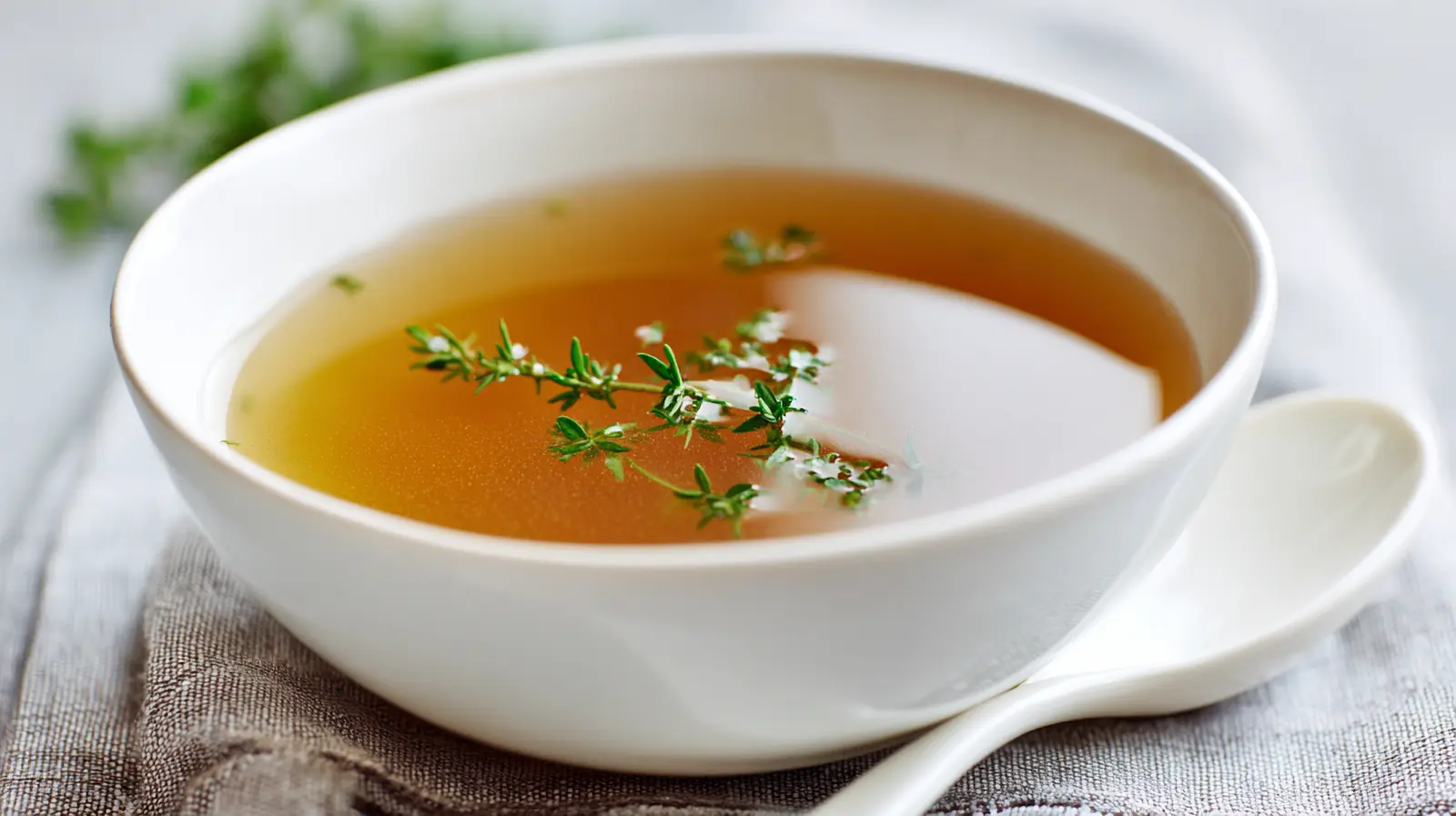
Reading Time: 12 minutes | Prep: 1 hour | Cook: 10-12 hours
I still remember the first weekend I decided to make my first bone broth recipe at home. It was cold, my joints ached more than they should for my age, and my digestion felt off in a way I couldn’t quite explain. A friend kept raving about her “daily mug of bone broth” like it was some secret anti-inflammatory elixir, and honestly, I thought it sounded a bit exaggerated. How powerful could a pot of simmered bones really be?
But curiosity and discomfort are a powerful combination. So I went to my butcher, came home with a bag of beef bones, and spent an entire Saturday blanching, roasting, and simmering. By Sunday, my kitchen smelled like a cozy, old-world kitchen, and I had jars of golden, gelatinous broth lined up on the counter. Within a few weeks of drinking it daily, something subtle but important shifted: my joints felt smoother, my digestion calmer, and my evening sleep deeper.
In this comprehensive bone broth recipe guide, I’ll walk you through exactly how to make a truly healing, collagen-rich, anti inflammatory bone broth recipe at home step by step, plus the science-backed benefits, best bones to use, and how to make this a realistic part of your weekly wellness routine.
What You’ll Learn in This Guide
- What Exactly Is Bone Broth?
- Why Bone Broth Is a Wellness Staple
- The Best Bones for Maximum Benefits
- Ingredients & Equipment You’ll Need
- Step-by-Step: How to Make Bone Broth
- How to Use Your Bone Broth Every Day
- Your Most Common Questions Answered
What Exactly Is Bone Broth?
Bone broth is not just “soup stock.” At its core, this traditional bone broth recipe creates a savory, nutrient-dense, collagen-rich liquid made by simmering marrow-rich animal bones like beef, chicken, or turkey in water for a long time, usually 8-24 hours on the stovetop or several hours in a pressure cooker. Vegetables such as celery, carrots, onions, and garlic are added for flavor, along with herbs and spices. A small splash of apple cider vinegar helps break down the connective tissue and pull minerals and collagen out of the bones, which is why a well-made bone broth recipe firms up into a jelly-like consistency once chilled.
To really understand why this bone broth recipe matters, it helps to know the difference between three related liquids:
- Regular broth: Usually made from meat cooked in water. It’s lighter, thinner, and contains much less collagen.
- Stock: Made from bones and some meat, simmered for a few hours. It can be somewhat gelatinous but less concentrated.
- Bone broth: Simmered much longer and with more collagen-rich bones, resulting in a thicker, more gelatinous, nutrient-packed liquid.
If you’re looking for the highest-collagen, most beneficial bone broth recipe for wellness, bone broth is the clear winner when prepared correctly.
Print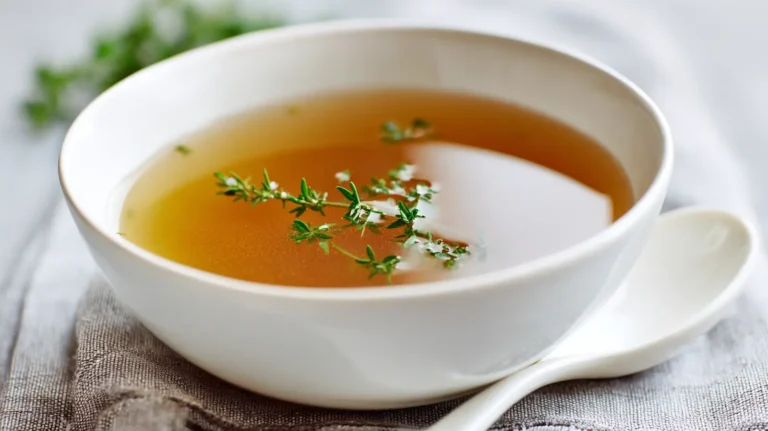
How I Discovered the Healing Power of Bone Broth (And How You Can Too)
Rich, healing bone broth recipe packed with collagen and minerals. This traditional wellness recipe supports joint health, gut healing, and overall vitality with simple ingredients and proven techniques.
- Total Time: 13 hours
- Yield: 24 cups (6 quarts)
Ingredients
10 pounds beef bones (mix of marrow bones, knucklebones, short ribs, and oxtail)
4 large carrots, chopped into 2-inch pieces
2 medium onions, quartered
2 whole heads garlic, halved crosswise
6 stalks celery, cut into 2-inch pieces
4 bay leaves
1 tablespoon whole black peppercorns
4 whole star anise
2 cinnamon sticks
2 tablespoons apple cider vinegar
24 cups cold water (approximately)
Sea salt, to taste when serving
Instructions
1. Divide bones between two large pots, cover with cold water, bring to boil, and simmer 10-15 minutes. Drain and rinse bones thoroughly.
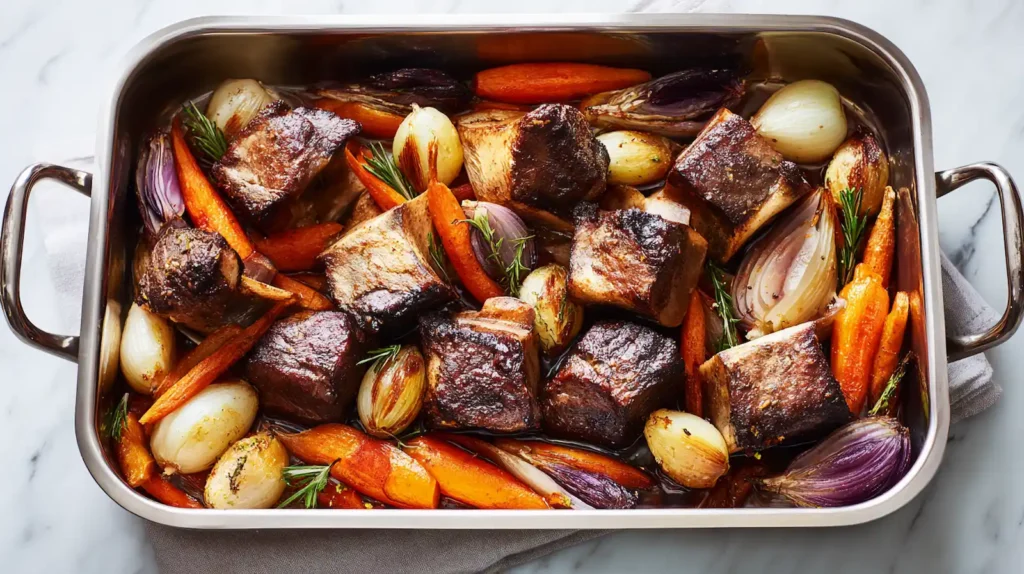
2. Preheat oven to 450°F. Spread blanched bones and vegetables on roasting pans. Roast 30 minutes, toss, then roast 15-30 minutes more until deeply browned.
3. Wash stockpots. Divide roasted bones, vegetables, and pan drippings between pots. Add bay leaves, peppercorns, star anise, cinnamon, and vinegar (split between both pots).
4. Pour 12 cups cold water into each pot, ensuring bones are covered by 1 inch. Cover with lids.
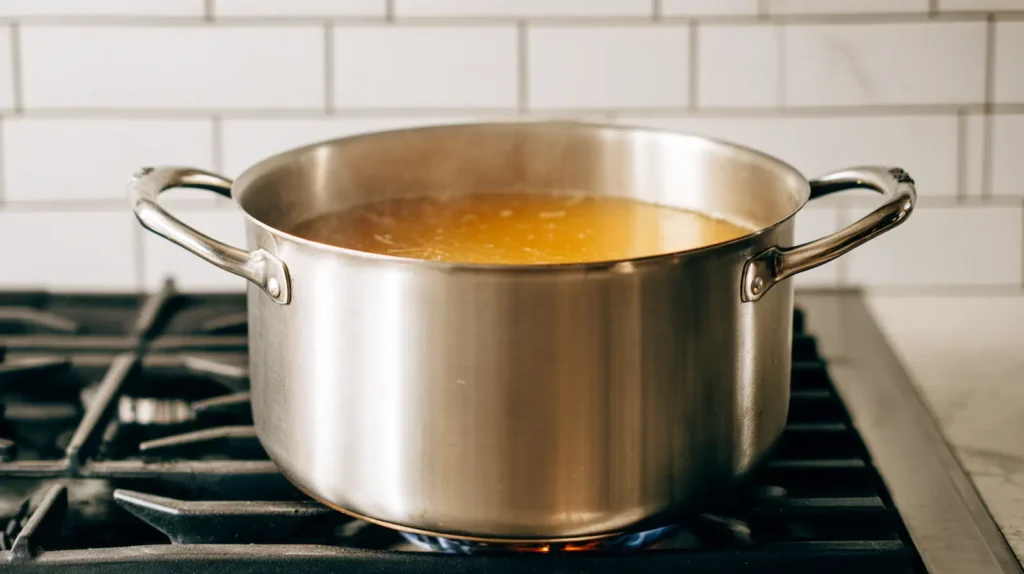
5. Bring to low boil, reduce heat to low, simmer with lid slightly ajar for 8-12 hours (ideally 12-14 hours). Skim foam periodically. Add water if needed to keep bones submerged.
6. Pour broth through fine-mesh strainer into large bowls. For extra clarity, strain again through cheesecloth.
7. Pick meat from cooled bones for future meals. Save or blend cooked vegetables.
8. Add ice to broth, refrigerate overnight. Remove hardened fat layer from top.
9. Store in glass jars or freezer bags. Refrigerate up to 6 days or freeze up to 6 months.
Notes
Choose organic, grass-fed bones when possible for best nutrition and flavor.
Blanching beef bones is essential for clear, clean-tasting broth.
Gelatinous consistency when chilled means successful collagen extraction.
For Instant Pot: Use high pressure for 3-4 hours, natural release.
For Slow Cooker: Cook on low 24-48 hours with lid slightly ajar.
Use broth as base for soups, stews, cook grains, or sip warm with sea salt.
Bone broth is paleo-friendly, keto-approved, gluten-free, and dairy-free.
- Prep Time: 1 hour
- Cook Time: 12 hours
- Category: Wellness Drinks, Bone Broth
- Method: Blanch, Roast, Simmer
- Cuisine: Traditional, Wellness
Nutrition
- Serving Size: 1 cup (240ml)
- Calories: 45
- Sugar: 0g
- Sodium: 95mg
- Fat: 2g
- Saturated Fat: 1g
- Unsaturated Fat: 1g
- Trans Fat: 0g
- Carbohydrates: 0g
- Fiber: 0g
- Protein: 9g
- Cholesterol: 15mg
Keywords: bone broth recipe, homemade bone broth, beef bone broth, healing broth, collagen broth, anti-inflammatory broth
Why Bone Broth Is a Wellness Staple
This healing bone broth recipe has exploded in popularity because of its potential benefits for joints, digestion, skin, and overall resilience. The science is still emerging, but there’s enough evidence and enough real-world experience to take it seriously as a daily wellness tonic.
1. A Nutrient-Rich Powerhouse
Properly made using this bone broth recipe, the broth contains a blend of minerals such as calcium, magnesium, potassium, and phosphorus, plus trace minerals like zinc, iron, and selenium. You’ll also get vitamins like vitamin A and K2, depending on the bones and ingredients used. Exact numbers vary, but think of bone broth as a concentrated mineral infusion your body can actually use.
2. Joint Comfort and Mobility
Bones and connective tissue are rich in collagen. When simmered for hours following this bone broth recipe, that collagen breaks down into gelatin and amino acids, including glucosamine and chondroitin. These compounds are commonly used in joint-support supplements and have been linked to reduced symptoms of osteoarthritis and joint pain in several studies published on PubMed. Many people notice less stiffness and more comfort when they drink bone broth consistently.
3. Gut and Digestive Support
Specific amino acids found in this nourishing bone broth recipe like glutamine may help support the intestinal lining and reduce inflammation in the digestive tract. Some research suggests potential benefits for people dealing with inflammatory bowel conditions, though more clinical data is needed. From a practical standpoint, many people (including me) find bone broth calming and soothing to the gut.
4. Sleep and Nervous System Support
This bone broth recipe is naturally rich in glycine, an amino acid associated with improved sleep quality and relaxation in published studies on neuropsychopharmacology. A warm mug of broth in the evening can be both physiologically and psychologically calming.
5. Anti-Inflammatory Potential
Two key amino acids in this anti inflammatory bone broth recipe, glycine and arginine, have documented anti-inflammatory properties. While bone broth alone won’t erase chronic inflammation, it can be a supportive part of an anti inflammatory bone broth recipe focused lifestyle when combined with movement, stress management, and a nutrient-dense diet.
6. Protein Support and Satiety
This bone broth recipe isn’t a complete meal, but it does provide a moderate amount of protein with very few calories, especially when fat is skimmed. Some people use an easy bone broth recipe as a way to add protein between meals or to boost soups, stews, and grains. For a high protein chicken bone broth recipe, the method is similar, but using chicken bones and especially chicken feet increases collagen and protein even more.
The Best Bones for the Most Beneficial Bone Broth Recipe
Choosing the right bones is the foundation of a powerful, simple beef bone broth recipe or chicken-based version. The quality of bones you select will determine whether your bone broth recipe turns out rich and gelatinous or thin and watery.
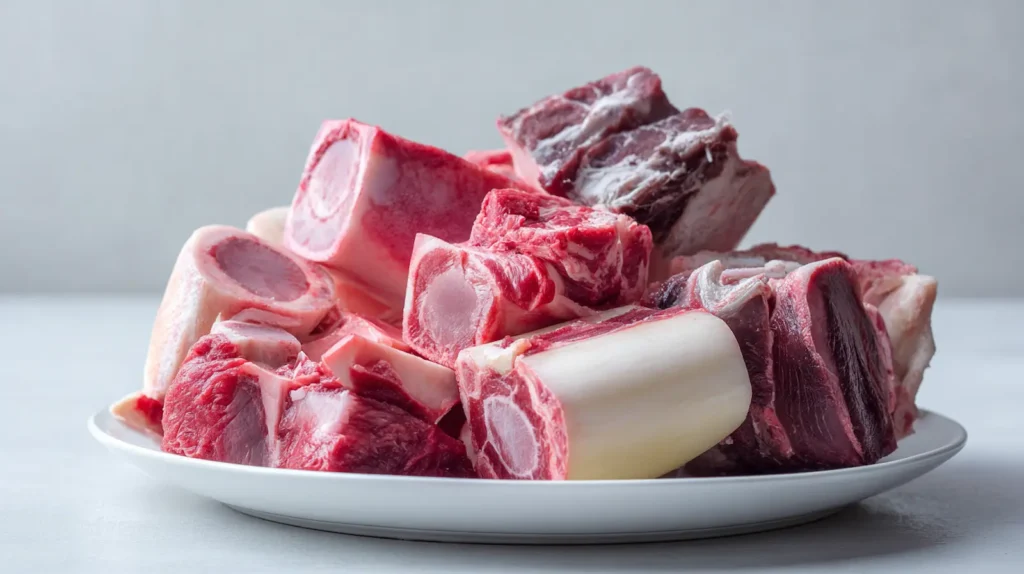
For beef bone broth recipe preparation, the best bones are:
- Knuckles
- Joints
- Marrow bones (like femur bones cut in half)
- Feet (less common in beef, but excellent when available)
- Meaty bones like oxtail, shank, and short ribs
These are the collagen and flavor workhorses for any bone broth recipe. In the original recipe, a mixture of knucklebones, short ribs, oxtail, and femur bones is used to create a rich, gelatinous broth. For the best chicken bone broth recipe, backs, necks, wings, and especially chicken feet are ideal, making it one of the best chicken bone broth recipe foundations and the answer to which bone broth is highest in collagen.
If you’re ever unsure when preparing your bone broth recipe, just ask your butcher for “bones for bone broth” and request they cut the larger bones in half. This not only exposes more marrow but also makes sure the bones actually fit into your pot.
What You’ll Need (Ingredients & Equipment)
Core Ingredients (Beef Version)
For a large, wellness-focused batch of homemade bone broth recipe, you’ll typically use:
- About 10 pounds of beef bones (a mix of marrow bones and meaty bones like oxtail, short ribs, and knucklebones)
- 4 large carrots, chopped into chunks
- 2 medium onions, quartered
- 2 whole heads of garlic, halved crosswise
- 6 celery stalks, cut into pieces
- Bay leaves
- Whole black peppercorns
- Whole star anise
- Cinnamon sticks
- A few tablespoons of apple cider vinegar
- Enough cold water to cover everything by about an inch
For a chicken and beef bone broth recipe, you can combine both bone types, following the same process and adjusting quantities to your pot size. This combined bone broth recipe offers unique flavor depth.
Basic Equipment
You don’t need a gourmet kitchen to make this bone broth recipe, but a few tools help a lot:
- 1-2 large stockpots (8-quart or similar)
- Roasting pans or lined baking sheets
- A fine mesh strainer (and optional cheesecloth for extra-clear broth)
- Glass jars or freezer-safe containers for storage
If you have a slow cooker or Instant Pot, those can also be used and are especially handy for an easy bone broth recipe when you don’t want to tend the stove.
Step-by-Step: How to Make This Bone Broth Recipe at Home
This method works beautifully as a simple beef bone broth recipe and can be adapted to chicken or mixed bones. Follow each step carefully for the best bone broth recipe results.
Step 1: Blanch the Bones
Blanching is one of the most underrated steps in any bone broth recipe, especially for beef. Place the bones in your stockpots, cover with cold water, bring to a boil, and simmer for about 10-15 minutes. Foam and impurities will rise to the top. Drain everything and rinse the bones thoroughly under fresh water.
Why blanch? It clears away coagulated proteins and blood that can make your bone broth recipe cloudy and taste a little “off.” The nutrient loss is minimal compared to the improvement in clarity and flavor. For beef, this step is strongly recommended; for a homemade bone broth recipe chicken version, it’s optional but still beneficial.
Step 2: Roast for Deep Flavor
Preheat your oven to a high temperature (around 450°F / 230°C). Transfer the blanched bones and your cut vegetables (carrots, onions, celery, garlic) to roasting pans in a single layer. Roast for about 30 minutes, toss, then roast another 15-30 minutes until everything is deeply browned but not burned.
This step transforms your bone broth recipe from “good” to “deeply satisfying.” Roasting caramelizes the surfaces and creates layers of flavor that carry through into the final broth.
Step 3: Build Your Pot
Wash the stockpots you used for blanching so you’re starting fresh with your bone broth recipe. Add the roasted bones and vegetables back into the pots, then scrape up any browned bits from the roasting pans with a little water and add those too (they’re pure flavor).
Divide your bay leaves, peppercorns, star anise, cinnamon sticks, and apple cider vinegar between the pots. Cover with cold water until bones are just submerged by about an inch.
Step 4: Simmer Low and Slow
Bring the pot just up to a gentle boil, then reduce to a low simmer with the lid slightly ajar. This is where the magic really happens in your bone broth recipe.
- Simmer at least 8-12 hours; many people prefer 12-14 hours for beef
- Skim any foam or excess surface fat with a spoon in the first couple of hours
- Make sure bones stay covered; add water as needed
If you’re using a slow cooker for this easy bone broth recipe, cook on low for 24-48 hours with the lid slightly open. In an Instant Pot, you can get similar collagen release in 3-4 hours under high pressure. The longer, gentle simmer (without going past 24 hours on the stove) is key to getting the most collagen and minerals without off-flavors in your bone broth recipe.
Step 5: Strain Carefully
When the simmering is done for your bone broth recipe, pour the broth through a fine mesh strainer into a clean pot or large bowl. For extra clarity, strain a second time through cheesecloth. Set the strained broth aside to cool slightly.
Let the bones and vegetables cool separately so you can safely handle them.
Step 6: Don’t Waste the Extras
Often there’s still tender, flavorful meat clinging to the bones from your bone broth recipe. Once everything cools enough, pick off the meat and save it for soups, sandwiches, tacos, or grain bowls. The long simmer makes it incredibly soft and easy to repurpose.
Cooked vegetables can be blended into a puree and stirred into rice, mashed potatoes, or turned into a simple blended soup with a bit of broth. It’s a great way to avoid waste and squeeze out more nutrition from your bone broth recipe.
Step 7: Chill and Skim the Fat
Cool your bone broth recipe as quickly as you can for food safety: you can stir in some ice cubes or place the pot in a sink filled with cold water. Once it reaches room temperature, refrigerate it.
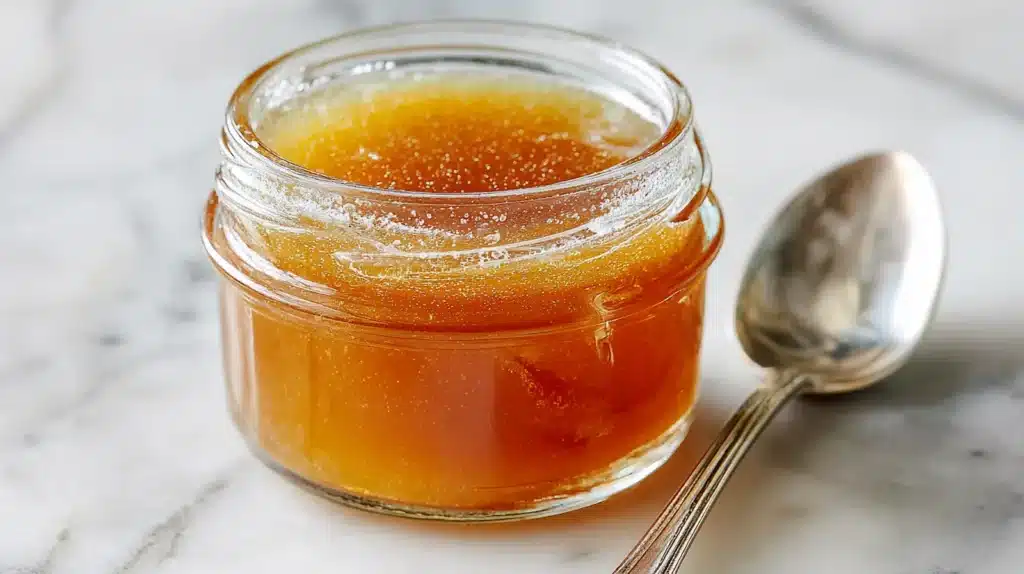
After several hours or overnight, you’ll see a solid layer of fat on top and a thick, jiggly, gelatinous layer underneath. That jelly-like layer is exactly what you want. It means your bone broth recipe collagen extraction was successful. You can remove most or all of the fat layer with a spoon or fork and save it for cooking, or discard it if you prefer a leaner broth.
Step 8: Store Your “Liquid Gold”
In the fridge, this bone broth recipe keeps about 4-6 days; in the freezer, 4-6 months is typical when stored in jars or freezer bags, leaving room for expansion. Many people like to freeze some in ice cube trays to toss into sauces, sautés, or quick soups.
How to Use Your Bone Broth Recipe Every Day
Once you’ve made a big batch of this tasty bone broth recipe, the next step is to actually use it in your daily routine.
Here are some of the ways this bone broth recipe fits into a daily wellness routine:
- Sipping 1-2 cups warm with sea salt and cracked pepper
- Using it as the base for soups, stews, and chili
- Cooking grains like rice, quinoa, farro, or barley in broth instead of water
- Making sauces, gravies, or reductions richer and more nutritious
- Adding to braised dishes, casseroles, or one-pot meals
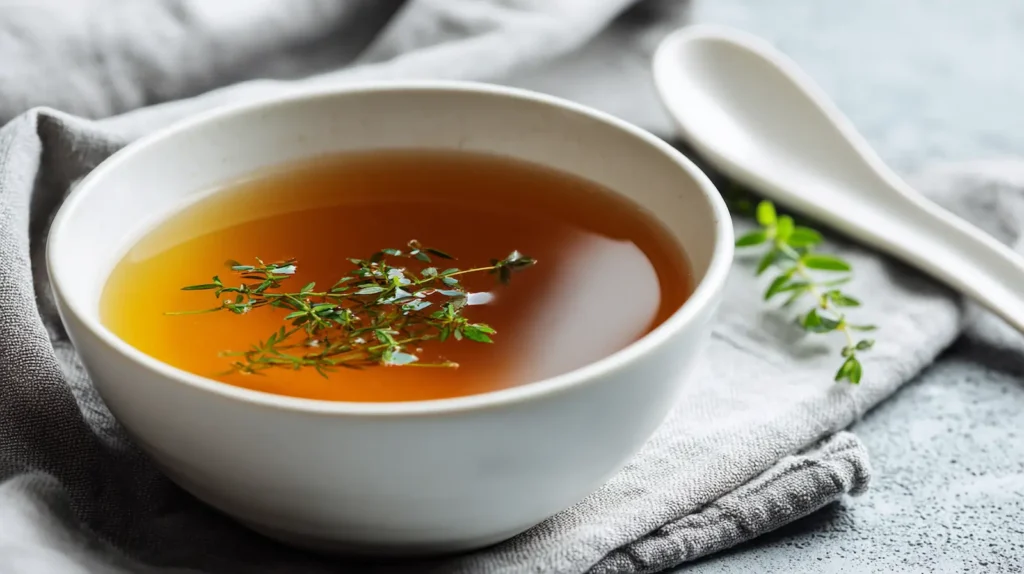
For many people, drinking this bone broth recipe daily (about 2-4 cups for general wellness) is a sustainable and comforting practice, though anyone with medical conditions should talk to a doctor first according to Mayo Clinic guidelines.
Your Most Common Questions Answered
What are the best bones for making bone broth?
For beef, knuckles, joints, feet, marrow bones, oxtail, and short ribs are ideal. For chicken, feet, backs, necks, and wings are excellent choices for the best bone broth recipe.
What should you not put in bone broth?
Avoid too many strong vegetables (like lots of cabbage, broccoli, or very bitter greens), heavy salt during cooking, and aluminum pots; they can lead to off-flavors or less clean broth in your bone broth recipe.
What happens if I drink bone broth daily?
Many people report better digestion, improved joint comfort, calmer inflammation, and deeper sleep from drinking bone broth recipe regularly. However, results vary, and medical concerns should always be discussed with a healthcare professional.
Can I just boil bones to make bone broth?
You can, but blanching and roasting first makes the bone broth recipe clearer, cleaner-tasting, and much more flavorful, with little extra hands-on work.
Which bone broth is highest in collagen?
Broths made from collagen-rich parts like chicken feet, knuckles, and joints (either chicken or beef) are usually highest in collagen. When chilled, a proper bone broth recipe forms a firm gel.
Is it cheaper to make bone broth or buy it?
Homemade bone broth recipe is typically cheaper per quart than store-bought, especially when you buy bones in bulk or use leftover carcasses from roasted chicken.
Which bone broth has the most benefits: chicken or beef?
Both bone broth recipe versions offer benefits. Beef is often richer in certain minerals, while chicken (especially with feet) can be particularly high in collagen. Many people rotate or combine them for variety.
What types of bones are best suited for stock?
For the richest bone broth recipe, use bones with lots of connective tissue: beef knuckles, joints, neck bones, oxtail, and marrow bones cut in half. For chicken stock, backs, necks, feet, and wing tips work beautifully.
How to make the most beneficial bone broth?
Use organic, grass-fed or pasture-raised bones in your bone broth recipe, include multiple collagen-rich bone types, blanch and roast for purity and flavor, add apple cider vinegar, simmer for at least 12 hours but no more than 24, and keep bones fully submerged throughout cooking.
How long to boil bones to get collagen?
A gentle simmer of 8-12 hours is usually enough for good collagen extraction in your bone broth recipe; 12-14 hours is ideal for beef on the stovetop, or 3-4 hours under pressure in an Instant Pot.
Your Weekend Bone Broth Recipe Challenge
If you’ve made it this far, consider this your nudge. Pick a day this weekend, gather your bones, and commit to one full batch of this homemade bone broth recipe. Whether you choose a beef-based simple beef bone broth recipe, a chicken version, or a chicken and beef bone broth recipe combination.
By Sunday night, you could have jars of high-collagen, deeply nourishing broth from this bone broth recipe in your fridge and freezer. In a month, you may have your own story of better joints, calmer digestion, and a nightly ritual you look forward to.
From my kitchen to yours, this bone broth recipe is one of the most powerful, realistic, and affordable wellness habits you can adopt.
Explore more traditional wellness practices and daily health tonics at Daily Tonic Plan.
To your daily tonic,
Jhon Forman
dailytonicplan.com
Disclaimer: This article is for informational purposes only and not intended as medical advice. Always consult with a qualified healthcare provider before making significant dietary changes, especially if you have existing health conditions.

1 thought on “How I Discovered the Healing Power of Bone Broth (And How You Can Too)”