
My stomach had been off for weeks. Not dramatic, just that constant low-grade bloat and the feeling that everything I ate was a gamble. A friend mentioned she had been making fermented cassava porridge every morning and that her digestion had calmed down noticeably. I was skeptical, but I was also tired enough to try anything. That was three months ago. I still make it regularly, and my gut genuinely feels different. Here is everything I know about fermented cassava porridge for gut repair why it works for some people, how to make it correctly, and what to expect.
Key Takeaways
- Fermented cassava porridge for gut repair is a traditional African food now gaining attention for its gentle digestive support
- The fermentation process creates beneficial organic acids that may help soothe an irritated gut lining
- Always start with a small serving — fermented foods affect everyone differently
- Use fermented cassava flour or sour cassava dough from reputable food shops, not raw unprocessed cassava
- This porridge works best as part of a broader gentle eating routine, not as a standalone fix
What Is Fermented Cassava Porridge
Cassava is a starchy root vegetable eaten across Africa, South America, and parts of Asia. When cassava is fermented — soaked and left to develop natural lactic acid bacteria — the result is a product that is easier to digest, lower in natural toxins, and more bioavailable than raw cassava. That fermented base, cooked down with water into a warm porridge, is what people in West and Central Africa have served for generations during recovery, postpartum periods, and whenever the stomach needed something gentle.
Fermented cassava porridge for gut repair is trending now partly because the gut microbiome conversation has gone mainstream, and people are looking for simple, whole-food options beyond yogurt and kefir. This one fits that niche well. It is affordable, naturally gluten free, and low in fiber if made simply, which makes it easier on an irritated digestive system than high-fiber alternatives. For more fermented food ideas that support gut health, browse our fermented gut health recipes and tips.
Fermented Cassava Porridge Ingredients and Equipment
You do not need much. That is one of the things I like most about this recipe.
- Fermented cassava flour — also sold as sour cassava flour, fermented cassava starch, or garri (toasted version). Look in African or Caribbean grocery shops.
- Water — filtered if possible, especially if your tap water is heavily chlorinated
- Small pot and whisk or wooden spoon
- Optional flavor additions: pinch of salt, cinnamon, fresh grated ginger, mashed ripe banana, honey, or plant-based milk
A note on sourcing: if you find a local African or Caribbean grocery near you, go there first. I learned more in a five-minute conversation with the shop owner than I did in an hour of scrolling. They can tell you exactly which product is the most traditional, which brand ferments longer, and how locals prepare it.
How to Make Fermented Cassava Porridge for Gut Repair Step by Step
My first attempt clumped badly because I added the flour directly to hot water. Do not do that. Here is the method that works every time.
Step 1: Make a Cold Slurry First
In a cup or small bowl, stir 2 to 3 tablespoons of fermented cassava flour into about 1 cup of cool water. Whisk until completely smooth. No dry clumps. This step takes about 90 seconds and prevents the lumpy texture that ruins the experience.
Step 2: Heat Slowly Over Medium-Low
Pour the slurry into a small pot. Set the heat to medium-low. Do not walk away. Stir consistently as it heats. Within 3 to 4 minutes you will see it begin to thicken and turn slightly translucent — that is the starch gelatinizing, which is exactly what you want.
Step 3: Adjust Consistency
If it thickens faster than expected, add water one tablespoon at a time. For a drinkable version, keep it thin. For a spoon-thick bowl, let it cook another minute or two. Both work — it is personal preference.
Step 4: Cook Briefly Then Rest
Once the porridge is glossy and smooth, cook it for 2 to 4 more minutes on low, then turn off the heat. Let it rest for one minute. This settles the texture and makes it easier to eat without burning your mouth.
Step 5: Flavor Gently
When my gut is sensitive, I use only a pinch of salt. When I feel fine, I add cinnamon and a small mashed banana. Ginger is excellent but start with a small pinch — it is warming and can be intense if you are not used to it. Skip heavy dairy and fruit with high acid content during a gut reset.
Print
Fermented Cassava Porridge for Gut Repair
A gentle, soothing porridge made from fermented cassava flour, perfect for gut health and easily customizable.
- Total Time: 15 minutes
- Yield: 2 servings 1x
Ingredients
- 2 to 3 tablespoons of fermented cassava flour
- 1 cup of cool water
- Optional: pinch of salt
- Optional: cinnamon
- Optional: fresh grated ginger
- Optional: honey or maple syrup
- Optional: mashed banana
- Optional: splash of milk of choice
Instructions
- Mix the cassava flour with cool water in a cup or bowl until smooth.
- Pour the mixture into a small pot and heat over medium low, stirring often.
- Adjust the texture by adding more water if too thick.
- Cook until glossy and porridge-like, about 2 to 4 minutes, then rest for a minute.
- Flavor with optional seasonings based on your stomach’s sensitivity.
Notes
Start with small portions, especially if new to fermented foods, and avoid heavy flavors or toppings if experiencing gut sensitivity.
- Prep Time: 5 minutes
- Cook Time: 10 minutes
- Category: Breakfast
- Method: Stovetop
- Cuisine: African
- Diet: Gluten-Free
Nutrition
- Serving Size: 1 serving
- Calories: 250
- Sugar: 8g
- Sodium: 60mg
- Fat: 3g
- Saturated Fat: 1g
- Unsaturated Fat: 2g
- Trans Fat: 0g
- Carbohydrates: 50g
- Fiber: 5g
- Protein: 3g
- Cholesterol: 0mg
Keywords: fermented cassava, gut health, comfort food, porridge, breakfast, digestive health
Fermented Cassava Porridge Variations Compared
Not all cassava porridge is the same. Here is how the common versions differ so you can choose the one that fits your goal.
| Version | Base Ingredient | Fermentation | Best For | Gut Repair Suitability |
|---|---|---|---|---|
| Traditional fermented cassava porridge | Fermented cassava flour or dough | Yes — lactic acid fermentation | Gut repair, postpartum recovery, gentle meals | ⭐⭐⭐⭐⭐ |
| Plain cassava porridge | Regular cassava starch or flour | No | General comfort food | ⭐⭐⭐ |
| Garri porridge (ogi style) | Toasted fermented cassava (garri) | Yes — plus toasting step | Quick prep, smoky flavor variation | ⭐⭐⭐⭐ |
| Ogi / Akamu | Fermented corn or sorghum | Yes | Grain-based alternative for variety | ⭐⭐⭐⭐ |
Why Fermented Cassava Porridge Supports Gut Repair
Fermentation changes the food. The beneficial bacteria that develop during fermentation produce lactic acid and other short-chain organic acids. These compounds may help lower the pH in the gut, creating a less hospitable environment for harmful bacteria while supporting the gut lining. Research on fermented foods broadly shows that regular consumption is associated with more diverse gut microbiota, which is linked to better digestive function and reduced inflammation. You can read the full research overview at Fermented Foods, Health and the Gut Microbiome — PMC.
Cassava itself, when properly processed and fermented, also becomes lower in cyanogenic glycosides — the natural compounds in raw cassava that require safe preparation. Fermentation and cooking together reduce these significantly, which is why traditionally processed fermented cassava products have a long safety record as a food. For food safety guidance on root vegetables and fermentation, see FoodSafety.gov.
One thing worth knowing: the porridge is low in fiber compared to whole cassava, which is actually an advantage for gut repair. High-fiber foods can aggravate an irritated digestive system. The smooth, starchy porridge gives the gut a break while still providing gentle nourishment. Pair it with warming soups for a full gut-reset meal — our healing soups and stews collection has ideas that work well alongside this porridge.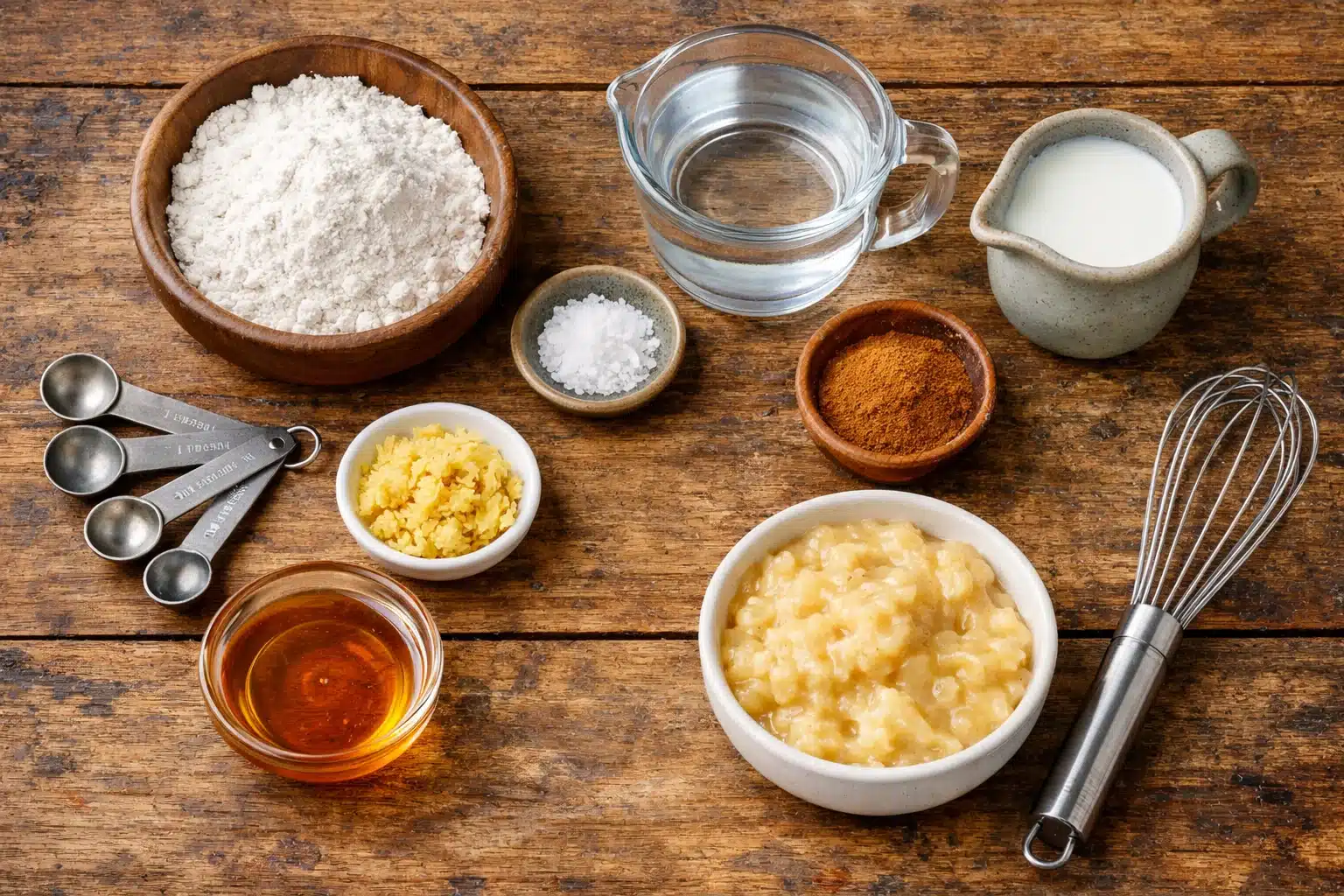
Fermented Cassava Porridge for Meal Prep and Weekly Gut Reset
I do not make a big batch because it changes texture in the fridge and is honestly so fast to make fresh. But if your week is chaotic, here is how to handle it smart. Mix a dry portion — the fermented cassava flour measured into small bags — one bag per serving. Store at room temperature. In the morning, it takes four minutes from start to bowl. That is faster than most breakfast options.
If you do refrigerate cooked porridge, it will thicken significantly overnight. Reheat in a pot with a few tablespoons of water, stir well on medium-low, and it comes back. Still good on day two, noticeably starchier by day three. For a full gut reset week, I rotate between this porridge, plain rice, and warming soups. No need to eat the same thing every day — variety supports a healthy microbiome too.
5 Mistakes to Avoid With Fermented Cassava Porridge
Mistake 1: Adding flour directly to hot liquid. This causes immediate clumping. Always make a cold slurry first, then heat the mixture. It takes 90 extra seconds and completely changes the result.
Mistake 2: Walking away while it cooks. Cassava starch thickens fast. Two minutes of no stirring and the bottom scorches. Stay at the stove and stir consistently.
Mistake 3: Using unfermented cassava products. Regular cassava starch or cassava flour that has not been fermented will not give you the same gut support profile. Check the label or ask the shop. The product should say fermented, sour, or acid-processed.
Mistake 4: Overloading toppings when your gut is flaring. I learned this the hard way. Mango chunks, lots of honey, and coconut milk on the first try — my stomach was not ready. When you are in gut repair mode, keep it plain. Salt, maybe cinnamon. That is enough.
Mistake 5: Expecting immediate results. This is a gentle, consistent-use kind of food. One bowl is comforting. Two weeks of regular bowls is where some people start noticing a real difference. Give it time before deciding it works or does not.
Frequently Asked Questions About Fermented Cassava Porridge for Gut Repair
Does fermented cassava porridge taste sour?
Yes, it has a mild, pleasant tang from the fermentation. The sourness depends on how long the cassava was fermented and which brand you use. Many people enjoy it plain. If you want to soften it, a small mashed banana or a pinch of cinnamon balances the flavor well without overwhelming the natural character of the porridge.
Can I eat fermented cassava porridge every day?
You can, but variety is better for gut health long-term. Start with three to four servings per week and observe how your digestion responds. Rotating fermented cassava porridge with oats, rice porridge, or other gentle breakfasts gives your microbiome more diverse inputs, which is consistently linked to better digestive health outcomes over time.
Is fermented cassava porridge safe for kids?
In many African cultures, fermented cassava porridge is a traditional first food for young children. It is gentle and easy to digest. Introduce it slowly, keep the flavoring minimal, and consult your pediatrician if your child has any digestive conditions, food allergies, or special dietary needs before making it a regular part of their diet.
What if fermented cassava porridge makes me gassy?
Gas is a common response when introducing fermented foods, especially if your gut microbiome is adjusting. Try a smaller serving — one tablespoon of flour instead of three — and make it thinner. Keep the rest of your meal very plain. If it continues after two weeks of small portions, fermented cassava may not be the right fit for your digestive system right now.
Can I make this without fermented cassava flour?
You can make cassava porridge with regular cassava starch or flour, but you lose the fermented component that gives this recipe its gut-support reputation. For general comfort eating, plain cassava porridge is fine. But if gut repair is the specific goal, use a fermented cassava product — the fermentation step is where the functional benefit comes from.
How long does fermented cassava porridge keep in the fridge?
Cooked fermented cassava porridge keeps well in the refrigerator for up to two days in a sealed container. It will thicken considerably as it cools. To reheat, transfer to a small pot, add two to three tablespoons of water, and stir over medium-low heat until it returns to a smooth, creamy consistency. Fresh is always better if you have the time.
Is fermented cassava porridge gluten free?
Yes, cassava is naturally gluten free, making fermented cassava porridge a safe option for people with celiac disease or gluten sensitivity. However, if you have severe gluten intolerance, always check the product label for cross-contamination warnings. Some facilities process multiple grain products and cross-contact is possible depending on the manufacturing environment.
A Warm Final Note
If your gut has been asking for something softer and simpler, this is worth trying. Fermented cassava porridge for gut repair is not a miracle — but it is a genuinely gentle food with a long track record in traditional cooking, and that counts for a lot. Start small, keep the flavors calm, and pay attention to how your body responds over the first two weeks. If you want to build a fuller gut-reset routine, our fermented gut health collection and healing soups and stews are good places to keep exploring. And if you want more structure around anti-inflammatory eating, the IBD Anti-Inflammatory Diet from UMass Medical is genuinely useful reading.