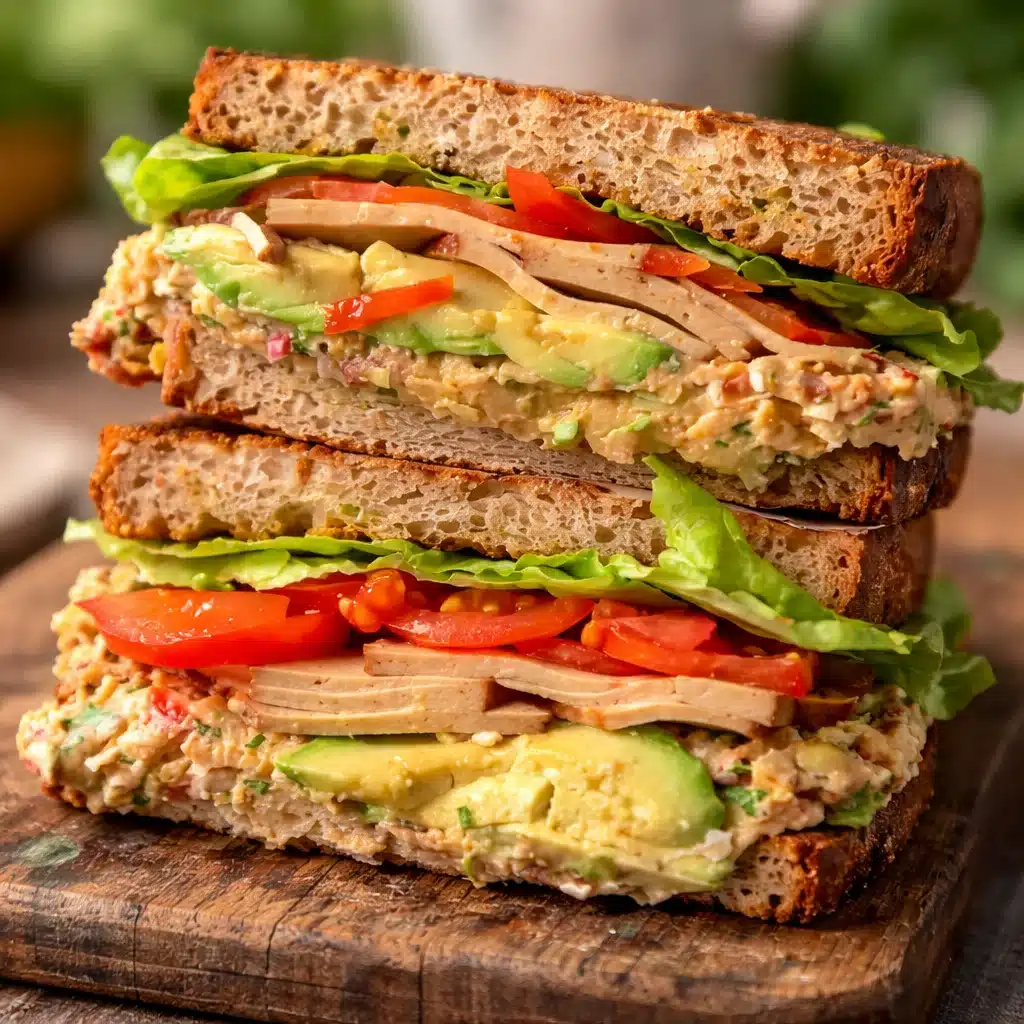
high protein plant based meals for gut health sound amazing in theory, but in real life? You get home hungry, you want something filling, and your stomach is begging you not to gamble on a random “healthy” meal that leaves you bloated. I have been there, standing in front of the fridge, tired, wanting comfort food and also wanting to feel good after I eat. So today I am sharing the exact way I build my go to plant based meals that actually keep me full and feel gentle on my gut. It is simple, flexible, and honestly kind of fun once you get the hang of it. I will walk you through my favorite ingredients, my fastest recipes, and a couple smart shortcuts that save me on busy weeks. 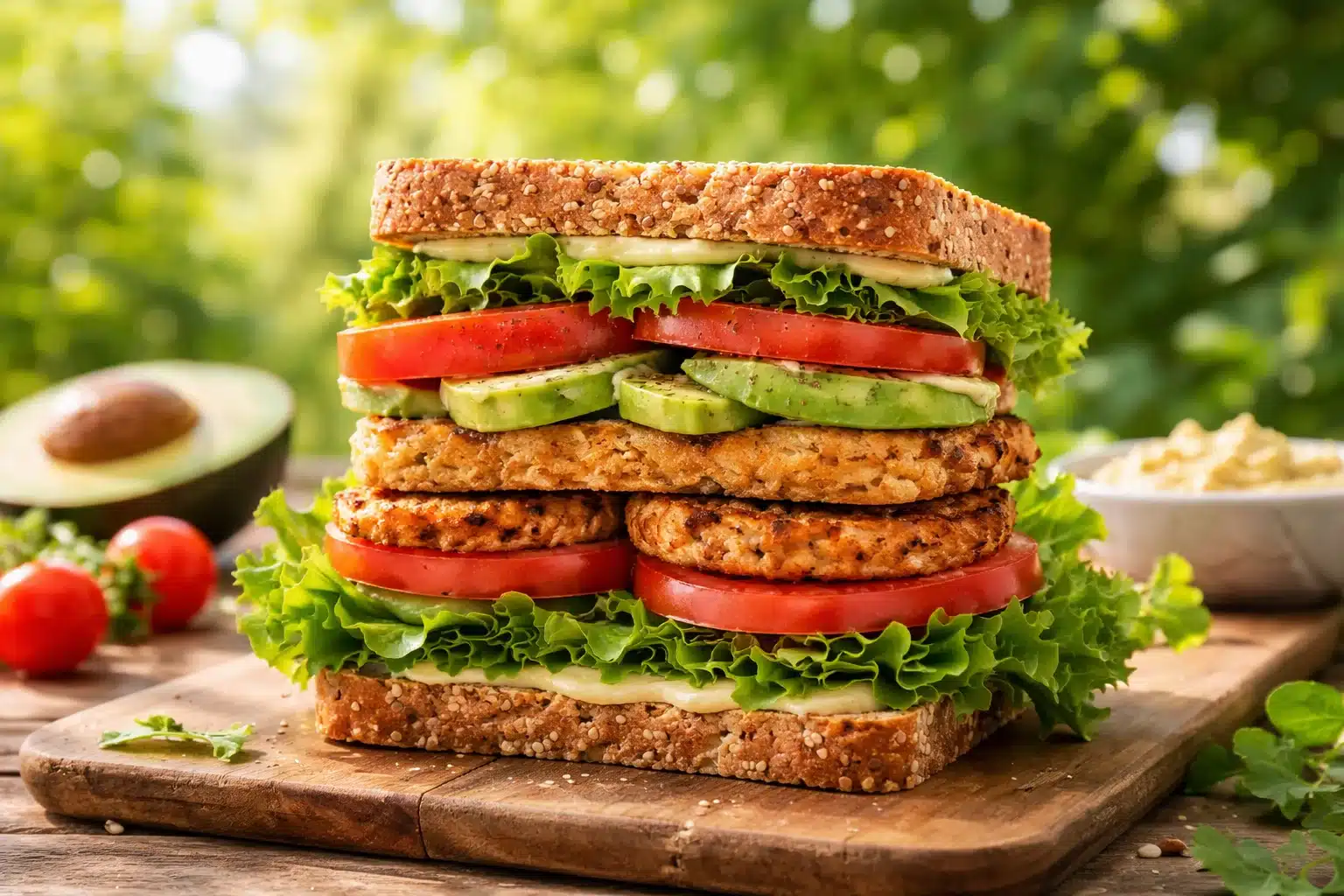
High-protein plant-based ingredients for gut health
When I started focusing on high protein plant based meals for gut health, the biggest change was choosing proteins that also bring fiber and feel “calm” in my stomach. Not every plant protein hits the same, and your gut will definitely let you know.
Here are the ingredients I lean on the most, plus why they earn a spot in my kitchen:
- Tempeh: It is firm, satisfying, and usually easier for me to digest than some other proteins. I like it cubed and pan browned.
- Lentils: Especially red lentils because they cook fast and get creamy. Great for soups and quick dals.
- Chickpeas: Classic. I roast them for crunch or mash them into salad.
- Tofu: The weeknight hero. If you press it even a little, it crisps up nicely and soaks up sauce.
- Edamame: Easy protein that also feels fresh. I toss it into bowls and salads straight from the freezer.
- Quinoa: Not the highest protein ever, but it adds a nice boost and makes bowls feel complete.
- Chia and hemp seeds: Tiny but mighty. I add them to oats, smoothies, and yogurt style bowls.
One more gut friendly trick: I keep fermented stuff around, but I use it like a topping, not the whole meal. A spoon of sauerkraut, a little kimchi, or some dairy free yogurt can add a bright tang that makes everything taste more alive. If you want more ideas in that direction, I’ve found some helpful inspiration in this fermented gut health collection.
Also, if my digestion feels “stuck” after a stressful week, I focus on simpler meals for a couple days and drink more water. I have also read about this interesting option called a black seed bitters gut cleanse drink, which some people use as part of their routine. I am not saying it is magic, but it is nice to know what tools exist if you are experimenting safely.
Easy and quick recipes for muscle building
This is the part you probably want most: actual meals you can make without turning your kitchen into a disaster zone. These are my repeat favorites because they are quick, high in protein, and they do not leave me feeling heavy. I also like them because you can scale them up for leftovers.
My go to recipe: Lemon tahini tempeh bowl
If I had to pick one meal that screams high protein plant based meals for gut health, it is this bowl. It is cozy, bright, and filling. Plus, the sauce makes everything taste like you really tried, even if you were just trying to survive Tuesday.
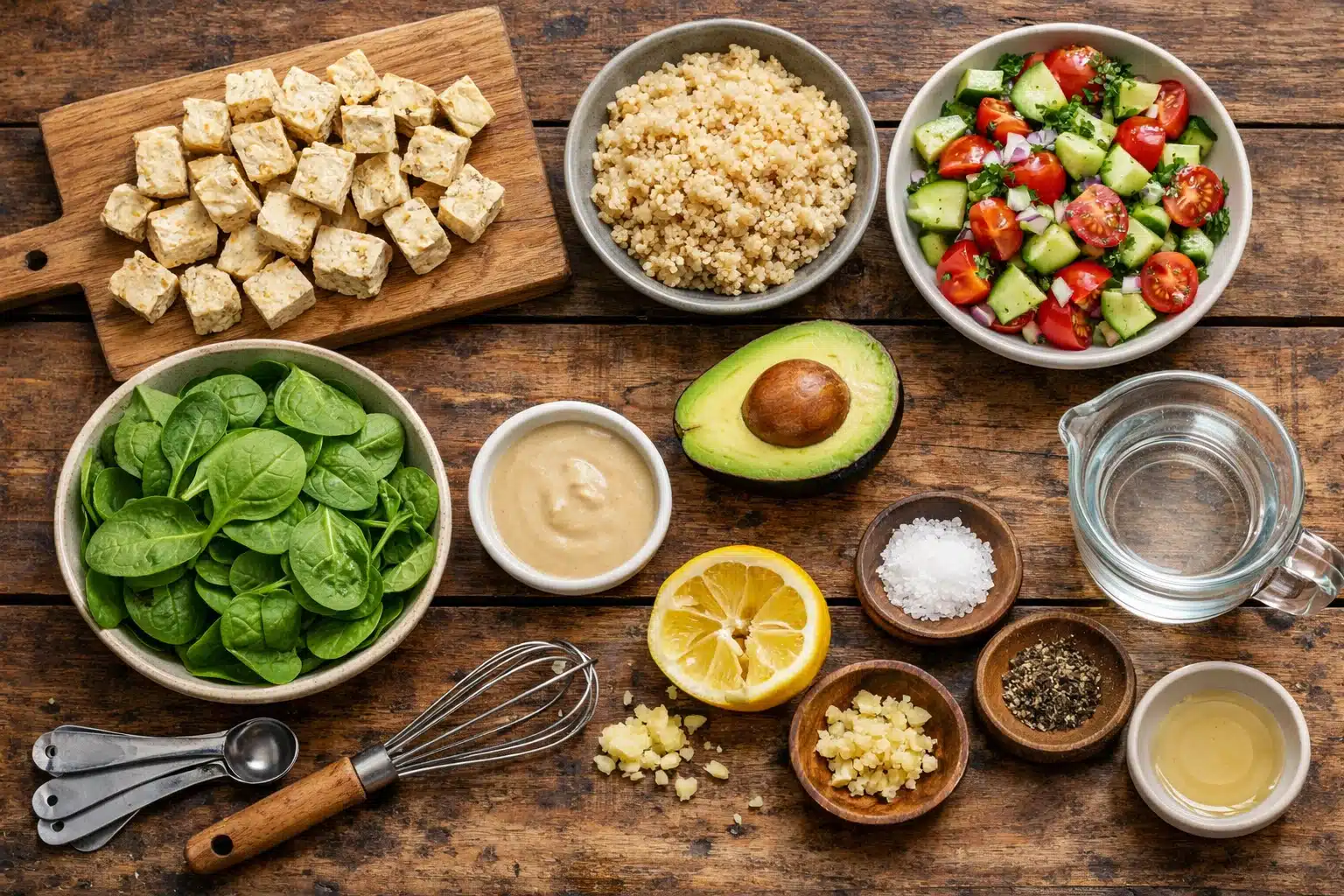
What you will need:
- 1 block tempeh, cubed
- 1 cup cooked quinoa or brown rice
- 2 cups baby spinach or chopped kale
- 1 cup cucumber and tomato salad (or any crunchy veg)
- Half an avocado (optional but amazing)
Quick lemon tahini sauce:
- 2 tablespoons tahini
- Juice of 1 lemon
- 1 small garlic clove, grated or minced
- Salt and pepper
- Warm water to thin it out
Directions:
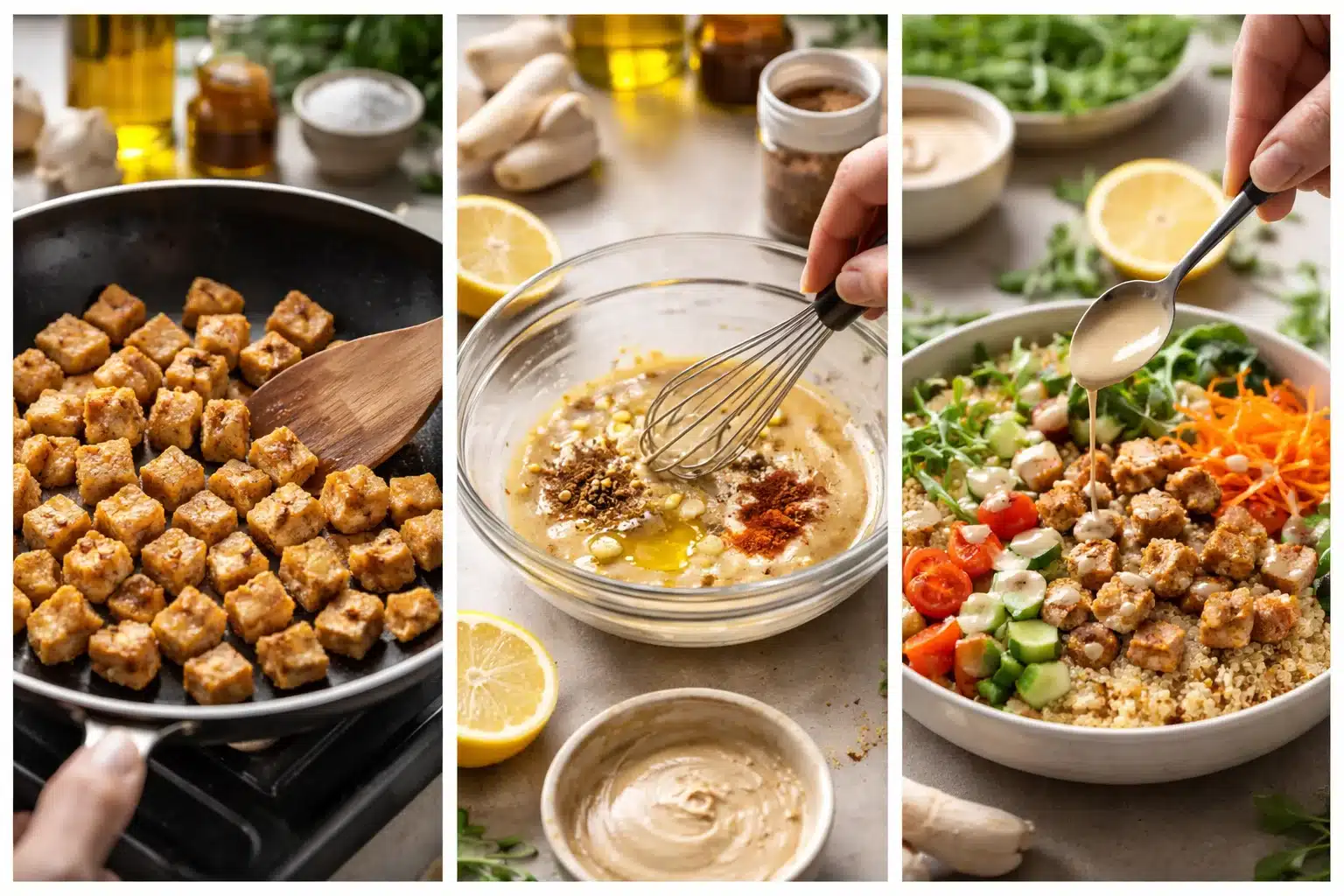
- Pan cook the tempeh cubes with a little oil and a pinch of salt until golden on a few sides.
- Stir together tahini, lemon, garlic, and seasoning. Add warm water slowly until it drizzles easily.
- Build your bowl: quinoa, greens, veggies, tempeh, then sauce.
Real life tip: if garlic feels like too much for your gut, skip it and use a tiny pinch of cumin instead. The sauce still tastes great and feels gentler.
Two other fast meals I make when I need protein but do not want to think:
1) Red lentil coconut soup: simmer red lentils with veggie broth, a spoon of curry powder, frozen spinach, and a splash of coconut milk. Done in about 20 minutes.
2) Edamame chickpea smash wraps: mash chickpeas with lemon, salt, and a little olive oil, then add thawed edamame. Stuff into a wrap with lettuce and shredded carrots.
If you like adding fermented toppings to bowls and wraps, browsing a page like this fermented gut health guide can spark new ideas without making your meals complicated.
Nutritional benefits of protein in gut health
Protein is not just for gym people. I used to think that if I was not lifting heavy, I did not need to care. But once I started building high protein plant based meals for gut health, I noticed I stayed full longer, snacked less randomly, and felt more stable energy through the afternoon.
Here is the simple way I think about it:
Protein helps with fullness, so you do not get that “I need chips now” feeling an hour after lunch.
Protein supports muscle, especially if you are active, trying to get stronger, or just want to keep your body resilient as you age.
Plant proteins often come with fiber, and fiber is a big deal for gut comfort and regularity. If you jump from low fiber to super high fiber overnight, though, your belly might complain. I increase slowly and drink more water.
One thing I do for trustworthiness and sanity: I keep an eye on how I feel after meals, not just what a label says. If lentils make you gassy, try smaller portions, rinse canned beans well, or choose tofu and tempeh more often. Your “best” gut friendly protein might not be mine.
And if you are experimenting with digestive routines beyond food, this is another place I have seen people talk about gentle add ons like the black seed bitters gut cleanse drink. I always suggest introducing one change at a time so you can tell what is actually helping.
Tips for meal prep and planning
Meal prep used to sound like a personality type I did not have. Now I do a low effort version that takes about 45 minutes, and it makes my week way easier.
My simple plan:
Pick 1 protein to cook ahead: tempeh cubes, baked tofu, or a pot of lentils.
Pick 1 base: quinoa, brown rice, or roasted sweet potatoes.
Pick 2 vegetables: one crunchy (cucumber, carrots, cabbage) and one leafy (spinach, kale, arugula).
Pick 1 sauce: lemon tahini, peanut lime, or a simple salsa.
That is it. With those building blocks, you can make bowls, wraps, salads, and quick stir fries. It also helps you stick to high protein plant based meals for gut health when you are tired and tempted to just eat toast and call it dinner.
Storage tip from my many soggy salad mistakes: keep sauces separate until you eat. Also, if you are using fermented toppings, store them in their own little container and add at the last second so the flavor stays bright.
If you need more fermented food ideas that work with meal prep, this fermented gut health category is a nice rabbit hole to go down on a Sunday afternoon.
Variations of recipes for different dietary preferences
I love recipes that do not break if you swap ingredients. The goal is to feel good, not to follow rules so strict that cooking becomes stressful.
Here are easy switches for my lemon tahini tempeh bowl:
For gluten free: tempeh is usually gluten free but check labels, and use quinoa or rice as your base.
For soy free: swap tempeh for lentils, chickpeas, or a hemp seed and bean combo in a bowl.
For higher calories: add avocado, extra tahini, or a handful of nuts.
For lower FODMAP leaning: use firm tofu if it works for you, go lighter on chickpeas, and keep onion and garlic minimal.
For extra crunch: roasted pumpkin seeds on top are everything.
If you are someone who likes a structured “reset” vibe now and then, you might be curious about tools like this black seed bitters gut cleanse drink. I think of these things as optional supports, not replacements for consistent meals, sleep, and hydration.
Common Questions
How do I get enough protein without feeling too full or bloated?
Start with moderate portions and spread protein across meals. I do better with tofu, tempeh, and well cooked lentils than giant bowls of beans all at once.
What is the easiest high protein breakfast that is gut friendly?
Overnight oats with chia and hemp seeds, plus a scoop of plant protein if you tolerate it. Or a tofu scramble with spinach and a side of fruit.
Do I need fermented foods every day?
Nope. I treat them like a topping a few times a week. A spoonful is usually enough to add flavor and variety.
Can these meals help with muscle building?
Yes, if you eat enough total calories and protein consistently. Pair meals with strength training and you will be in a solid place.
What if I hate tempeh?
Totally fair. Try tofu, lentils, edamame, or chickpeas instead. The bowl format still works, the sauce still slaps.
A cozy wrap up (and a nudge to try it)
Once you have a few staple proteins, one great sauce, and a meal prep rhythm, high protein plant based meals for gut health stop feeling like a project and start feeling like normal life. I keep coming back to the lemon tahini tempeh bowl because it is quick, satisfying, and easy to adjust when my stomach wants things a little simpler. If you are curious about the science side, this article on Not All Proteins Are Equal for Gut Health, Study Suggests is a great reminder that protein sources can affect people differently. And if you want more quick ideas from a fitness angle, check out 3 Gut-Friendly, High-Protein Plant-Based Recipes by Personal Trainer for extra inspiration. Now go make a bowl, drizzle that sauce, and let dinner be both easy and kind to your gut. 
Lemon Tahini Tempeh Bowl
A cozy and nutritious high-protein plant-based bowl featuring lemon tahini dressing, tempeh, quinoa, and fresh vegetables.
- Total Time: 25 minutes
- Yield: 2 servings 1x
Ingredients
- 1 block tempeh, cubed
- 1 cup cooked quinoa or brown rice
- 2 cups baby spinach or chopped kale
- 1 cup cucumber and tomato salad (or any crunchy veg)
- Half an avocado (optional but amazing)
- For the sauce:
- 2 tablespoons tahini
- Juice of 1 lemon
- 1 small garlic clove, grated or minced
- Salt and pepper
- Warm water to thin it out
Instructions
- Pan cook the tempeh cubes with a little oil and a pinch of salt until golden on a few sides.
- Stir together tahini, lemon, garlic, and seasoning. Add warm water slowly until it drizzles easily.
- Build your bowl: quinoa, greens, veggies, tempeh, then sauce.
Notes
If garlic feels like too much for your gut, skip it and use a tiny pinch of cumin instead.
- Prep Time: 10 minutes
- Cook Time: 15 minutes
- Category: Main Course
- Method: Baking
- Cuisine: Vegan
- Diet: Plant-Based
Nutrition
- Serving Size: 1 serving
- Calories: 450
- Sugar: 4g
- Sodium: 300mg
- Fat: 20g
- Saturated Fat: 3g
- Unsaturated Fat: 15g
- Trans Fat: 0g
- Carbohydrates: 52g
- Fiber: 9g
- Protein: 20g
- Cholesterol: 0mg
Keywords: high protein, plant based, gut health, tempeh, quinoa, lemon tahini